

How long does a bandage tattoo session usually take?
Jul 24, 2025
Hey there, tattoo enthusiasts and artists! I'm stoked to chat with you about one of the hot topics in the tattoo world: bandage tattoos. As a proud supplier of all things bandage tattoo, I've seen it all when it comes to these unique ink jobs. Today, we're going to dig into the question on everyone's mind: How long does a bandage tattoo session usually take?
Let's start by understanding what a bandage tattoo is. Bandage tattoos are a type of body art that mimics the look of a real bandage. They can be simple, like a single strip of a bandage wrapped around a limb, or super intricate, with multiple layers and even some cool details like fake medical labels or frayed edges. These tattoos have gained a ton of popularity in recent years because they offer a unique and edgy look that stands out.
Now, when it comes to how long a bandage tattoo session takes, there's no one - size - fits - all answer. It depends on a bunch of factors, and I'll break them down for you.
1. Design Complexity
This is probably the biggest factor. If you're going for a basic, straightforward bandage design, say a single clean - cut bandage on your wrist, it won't take too long. A simple design like this could take anywhere from 30 minutes to an hour. The tattoo artist can quickly outline the shape and fill it in with the right colors.
On the other hand, if you have a super detailed design in mind, like a full - sleeve bandage tattoo with lots of folds, shadows, and added elements like medical symbols or text, it's going to be a whole different ballgame. These complex designs can take several hours, and sometimes even multiple sessions. I've seen some artists spend 4 - 8 hours on a really intricate bandage tattoo. It's all about getting every little detail just right, and that takes time.
2. Placement on the Body
Where you want your bandage tattoo matters too. Areas that are more sensitive, like the inner wrist, ribs, or ankles, can slow down the process. The pain can be more intense in these spots, so the artist might have to take more breaks to let you recover. For example, a bandage tattoo on the inner wrist might take a bit longer than one on the upper arm because of the sensitivity.
Also, the size of the area matters. A small bandage tattoo on your finger will be much quicker to do than a large one that covers your entire calf. The artist has to work more precisely on smaller areas, but they also have less surface to cover. Larger areas, though, require more time to ink evenly.
3. Artist's Skill and Experience
A seasoned tattoo artist who has done plenty of bandage tattoos will generally work faster and more efficiently than a newbie. Experienced artists know how to quickly outline the design, choose the right colors, and blend them seamlessly. They've also developed techniques to minimize pain and speed up the process.
I've seen some really talented artists complete a medium - sized bandage tattoo in a couple of hours, while a less experienced artist might take longer to achieve the same result. So, when you're choosing an artist for your bandage tattoo, it's a good idea to look at their portfolio and read reviews to see how fast and good they are.
4. Client's Tolerance
Your own pain tolerance and ability to sit still play a big role. If you're someone who can handle the pain well and stay still throughout the session, the artist can work more quickly. But if you're constantly moving or need frequent breaks because of the pain, it's going to stretch out the session.
For example, if you're getting a bandage tattoo on a sensitive area and you start fidgeting after 15 minutes, the artist might have to stop and start again, which adds time to the overall session.
Now, let's talk about the products we offer at our bandage tattoo supply. We've got some amazing items that can make the tattooing process even better for both artists and clients.
One of our top - selling products is the Tattoo Grip Cover. This handy little accessory helps the artist have a better grip on the tattoo gun, which means more precise work. It can also reduce hand fatigue, allowing the artist to work for longer periods without getting tired.
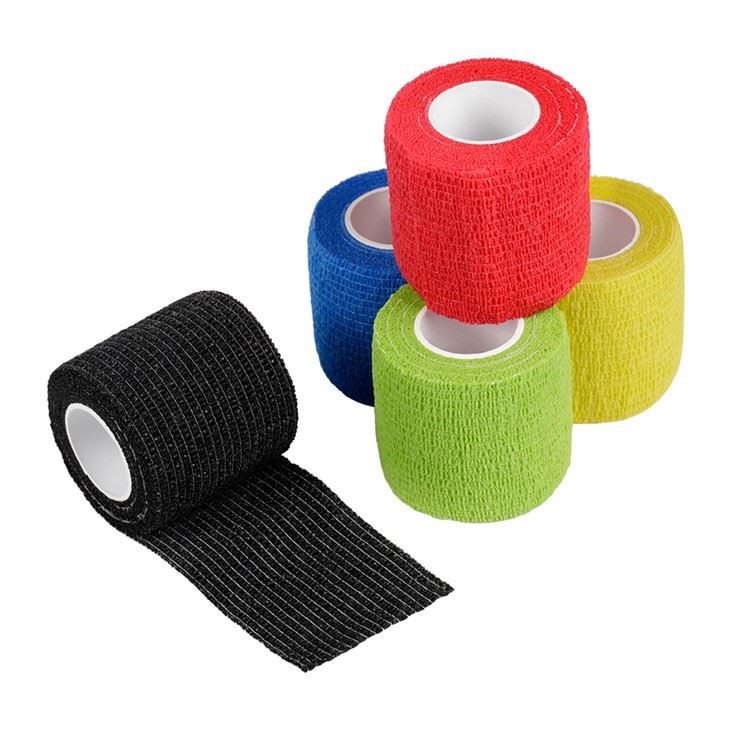

We also offer the Tattoo Grip Bandage. This bandage is designed to provide extra comfort for the client during the tattoo session. It can be wrapped around the area being tattooed to cushion it a bit and reduce the impact of the needle.
And then there's the Tattoo Grip Wrap. This wrap is great for keeping the area clean and protected during the tattooing process. It also helps to maintain the right temperature, which can be important for a smooth tattooing experience.
If you're an artist looking to up your bandage tattoo game or a client who wants the best experience possible, our products are definitely worth checking out.
So, to sum it up, a bandage tattoo session can range from as little as 30 minutes for a simple design to several hours or even multiple sessions for a complex one. It all depends on the design, placement, artist's skill, and your own tolerance.
If you're interested in our bandage tattoo supplies or have any questions about them, don't hesitate to reach out. We're always happy to help and have a chat about how our products can improve your tattooing experience. Whether you're a professional artist or just getting your first bandage tattoo, we've got something for you.
References
- Tattoo industry forums and communities where artists share their experiences with bandage tattoos.
- Interviews with professional tattoo artists who specialize in bandage tattoos.