

What is the best time of year to get a bandage tattoo?
Jun 03, 2025
As a seasoned supplier of Bandage Tattoos, I've had countless conversations with artists, enthusiasts, and professionals in the tattoo industry. One question that frequently arises is, "What is the best time of year to get a bandage tattoo?" In this blog post, I'll delve into this topic, considering various factors such as weather, healing conditions, and personal lifestyle to help you make an informed decision.
Weather Considerations
The weather plays a crucial role in the tattooing process and subsequent healing. Bandage tattoos, like any other tattoos, require proper care to ensure optimal healing and a vibrant end result. Let's explore how different seasons can impact the tattooing experience.
Spring
Spring is often considered an ideal time for getting a bandage tattoo. The weather is generally mild, with temperatures rising but not yet reaching the scorching highs of summer. This moderate climate provides a comfortable environment for the tattoo to heal. The lower humidity levels compared to summer also reduce the risk of excessive sweating, which can potentially irritate the fresh tattoo.
During spring, the body's immune system is typically in a good state after the winter months. This can aid in the healing process, as a strong immune system helps fight off infections and promotes faster recovery. Additionally, the longer daylight hours allow for more natural light, which can be beneficial when checking the tattoo's progress and ensuring proper aftercare.
Summer
Summer is a popular time for tattoos, but it comes with its own set of challenges when it comes to bandage tattoos. The high temperatures and humidity can make it uncomfortable for a fresh tattoo to heal. Excessive sweating can cause the bandage to become wet and sticky, increasing the risk of bacteria growth and potential infections.
However, if you take proper precautions, summer can still be a viable option. Make sure to keep the tattoo clean and dry, and avoid activities that may cause excessive sweating, such as intense workouts or prolonged sun exposure. It's also important to choose a breathable bandage that allows the skin to breathe and prevents moisture buildup. Consider using products like Tattoo Grip Wrap, which are designed to provide a secure hold while allowing for proper ventilation.
Fall
Fall is another great season for getting a bandage tattoo. The temperatures start to cool down, and the humidity levels decrease, creating a more favorable environment for healing. The changing leaves and cozy atmosphere also make it a popular time for people to get tattoos as a way to embrace the season.
The cooler weather means that you can wear loose-fitting clothing without worrying about the tattoo rubbing against tight fabrics. This reduces the risk of irritation and allows the tattoo to heal more comfortably. Additionally, the immune system is still relatively strong in the fall, which can aid in the healing process.

Winter
Winter can be a challenging time for getting a bandage tattoo, especially in colder climates. The dry air can cause the skin to become dry and flaky, which can be uncomfortable for a fresh tattoo. Cold temperatures can also slow down the healing process, as the body's circulation may be reduced.
However, if you take proper care of your tattoo during the winter months, it can still heal successfully. Make sure to keep the tattoo moisturized to prevent dryness and cracking. Avoid exposing the tattoo to extreme cold or direct heat sources, such as heaters or fireplaces, as this can damage the skin. Consider using products like Grip Tape to provide extra protection and support during the healing process.
Lifestyle Considerations
In addition to weather conditions, your personal lifestyle also plays a significant role in determining the best time to get a bandage tattoo. Here are some factors to consider:
Work and Activities
If your job involves a lot of physical activity or exposure to harsh chemicals, it's important to choose a time when you can take a break from work to allow the tattoo to heal properly. For example, if you work in a construction or manufacturing environment, you may want to avoid getting a tattoo during a busy work period.
Similarly, if you participate in sports or other activities that may cause the tattoo to rub against clothing or equipment, it's best to schedule your tattoo appointment during a time when you can take a break from these activities. This will reduce the risk of irritation and ensure a smooth healing process.
Travel
If you have any upcoming travel plans, it's important to consider how the tattoo will be affected. Flying can cause changes in air pressure, which may affect the healing process. Additionally, traveling to a different climate or environment can also pose challenges for a fresh tattoo.
If you're planning to travel soon, it's best to wait until after your trip to get a bandage tattoo. This will allow you to focus on the healing process without any additional stress or complications.
Social Events
If you have any important social events coming up, such as weddings, parties, or vacations, you may want to consider how the tattoo will look and feel during these events. A fresh tattoo may be red, swollen, and tender for the first few days, which may not be ideal for a formal occasion.
It's important to give yourself enough time for the tattoo to heal before any major social events. Depending on the size and location of the tattoo, it may take anywhere from a few days to a few weeks for the initial healing process to complete. Make sure to plan accordingly and schedule your tattoo appointment at a time that allows for a comfortable and stress-free healing period.
Our Bandage Tattoo Products
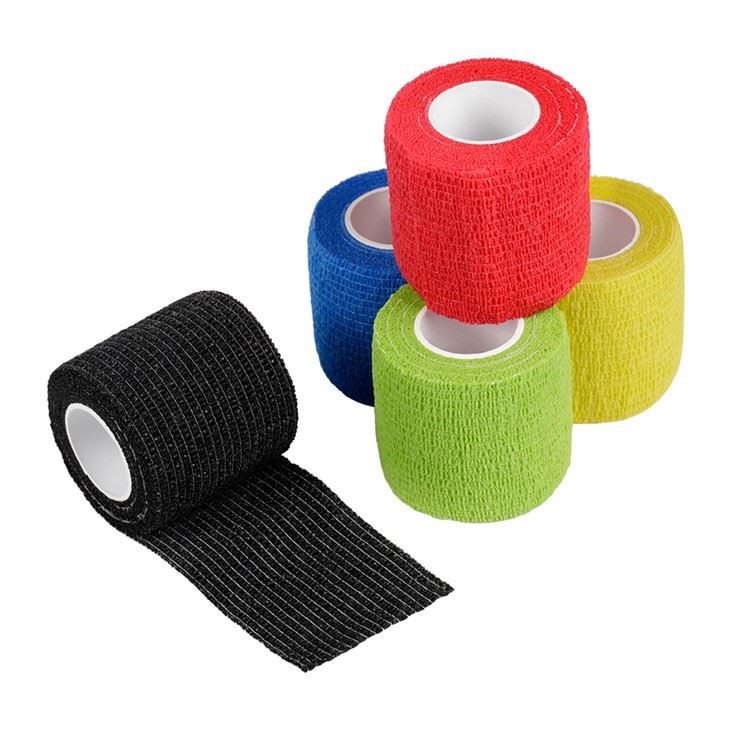
As a leading supplier of Bandage Tattoos, we offer a wide range of high-quality products designed to meet the needs of tattoo artists and enthusiasts. Our Tattoo Grip Wrap is a popular choice among professionals for its secure hold and breathable design. It provides excellent protection for fresh tattoos while allowing the skin to breathe, reducing the risk of infections and promoting faster healing.
Our Grip Tape is another essential product for tattooing. It offers a strong adhesive that keeps the bandage in place, even during movement. The tape is also flexible and comfortable to wear, making it ideal for long tattoo sessions.
In addition to these products, we also offer Tattoo Grip Bandage, which is specifically designed for use with bandage tattoos. The bandage provides a snug fit and helps to prevent the ink from smudging or spreading during the healing process.
Conclusion
In conclusion, the best time of year to get a bandage tattoo depends on a variety of factors, including weather conditions, personal lifestyle, and the specific needs of the tattoo. Spring and fall are generally considered the ideal seasons due to the mild temperatures and favorable healing conditions. However, with proper care and precautions, summer and winter can also be viable options.
When choosing the best time for your bandage tattoo, it's important to consider your work, activities, travel plans, and social events. Make sure to give yourself enough time for the tattoo to heal properly and avoid any situations that may cause irritation or complications.
If you're interested in purchasing our Bandage Tattoo products, we invite you to contact us for more information and to discuss your specific needs. Our team of experts is always available to provide you with personalized advice and support. We look forward to working with you and helping you achieve the perfect bandage tattoo.
References
- Smith, J. (2020). The Ultimate Guide to Tattoo Aftercare. Tattoo Magazine.
- Johnson, A. (2019). How Weather Affects Tattoo Healing. Tattoo Today.
- Brown, C. (2018). Lifestyle Considerations for Getting a Tattoo. Tattoo World.