

What is the difference between a small and large bandage tattoo?
Oct 23, 2025
Bandage tattoos have gained significant popularity in the tattoo industry, offering both aesthetic appeal and functional benefits to tattoo artists and enthusiasts alike. As a leading bandage tattoo supplier, I often encounter questions about the differences between small and large bandage tattoos. In this blog post, I will delve into the distinctions between these two types of bandage tattoos, exploring their unique features, applications, and considerations.
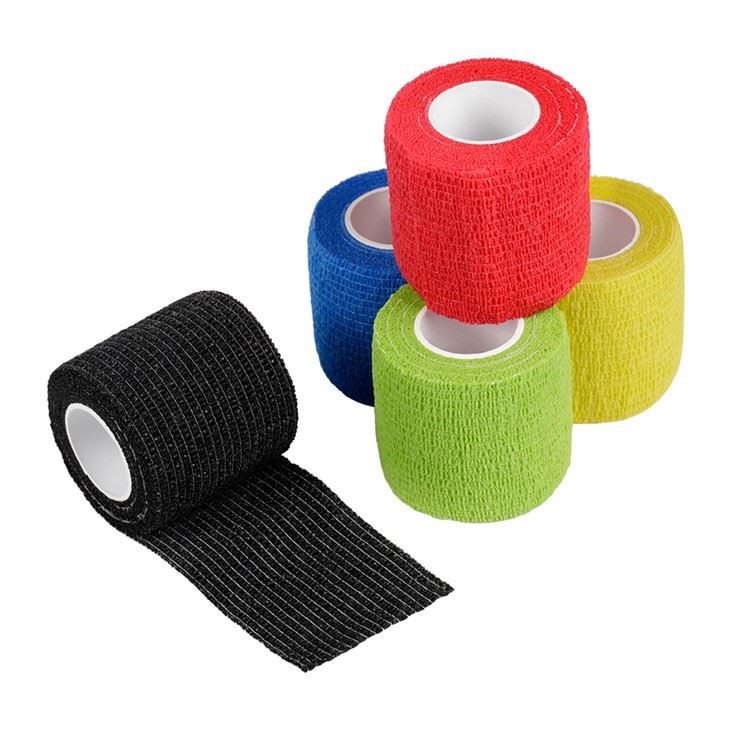

Size and Dimensions
The most obvious difference between small and large bandage tattoos lies in their size and dimensions. Small bandage tattoos typically measure a few inches in length and width, making them ideal for intricate designs, fine details, and small areas of the body. These tattoos are often used for accentuating specific features or adding a touch of flair to a larger tattoo composition. On the other hand, large bandage tattoos can span several inches or even feet, covering larger areas of the body such as the arms, legs, back, or chest. These tattoos are perfect for creating bold, statement pieces that demand attention and showcase the artist's creativity and skill.
Design and Detail
Another significant difference between small and large bandage tattoos is the level of design and detail that can be achieved. Small bandage tattoos offer limited space for intricate designs, making them more suitable for simple, minimalist patterns or small symbols. However, this limitation also allows for greater precision and attention to detail, resulting in highly detailed and精致的 tattoos. In contrast, large bandage tattoos provide ample space for elaborate designs, complex patterns, and detailed imagery. Artists can incorporate a wide range of elements, such as portraits, landscapes, animals, or abstract designs, to create a visually stunning and immersive tattoo experience.
Application and Placement
The application and placement of small and large bandage tattoos also differ significantly. Small bandage tattoos are typically applied using a single needle or a small grouping of needles, allowing for precise control and detailed work. These tattoos are often placed on areas of the body that are easily visible, such as the wrist, ankle, finger, or behind the ear. They can also be used to enhance existing tattoos or to create a cohesive look with other small tattoos. Large bandage tattoos, on the other hand, require more extensive preparation and planning. They are usually applied using a larger needle grouping or a machine, which allows for faster and more efficient coverage of large areas. These tattoos are commonly placed on the arms, legs, back, or chest, where they can make a bold statement and showcase the artist's skills.
Healing and Aftercare
The healing process and aftercare requirements for small and large bandage tattoos also vary. Small bandage tattoos generally have a shorter healing time compared to large tattoos, as they involve less skin damage and require less time for the body to repair itself. However, it is still important to follow proper aftercare instructions to ensure proper healing and prevent infection. This includes keeping the tattoo clean and dry, avoiding direct sunlight and excessive sweating, and applying a thin layer of moisturizer or tattoo aftercare product to the tattooed area. Large bandage tattoos, on the other hand, require more extensive aftercare and a longer healing time. The larger surface area of the tattoo means that there is more skin damage, which can take longer to heal. It is crucial to follow the artist's aftercare instructions carefully, which may include keeping the tattoo covered with a bandage for the first few days, avoiding tight clothing or friction on the tattooed area, and taking pain medication as needed.
Cost and Pricing
The cost of small and large bandage tattoos can vary depending on several factors, including the size, complexity, and location of the tattoo, as well as the experience and reputation of the artist. Generally, small bandage tattoos are less expensive than large tattoos, as they require less time and materials to complete. However, the cost of a small tattoo can still vary depending on the design and detail involved. Large bandage tattoos, on the other hand, are typically more expensive due to the increased time, skill, and materials required. The cost of a large tattoo can also be influenced by the location of the tattoo, as tattoos on more visible or sensitive areas of the body may require additional care and attention.
Considerations for Choosing Between Small and Large Bandage Tattoos
When deciding between a small and large bandage tattoo, there are several factors to consider. First and foremost, you should consider your personal style and preferences. Do you prefer a subtle, minimalist look or a bold, statement-making tattoo? Your personal style will play a significant role in determining the size and design of your tattoo. Additionally, you should consider the location of the tattoo and how it will fit into your overall aesthetic. For example, a small tattoo on the wrist may be more suitable for a professional or conservative environment, while a large tattoo on the back or chest may be more appropriate for a more creative or expressive individual.
Another important consideration is the time and commitment required for the tattooing process. Small bandage tattoos generally require less time and commitment compared to large tattoos, as they can be completed in a single session or a few short sessions. However, large tattoos may require multiple sessions over several weeks or months to complete, depending on the size and complexity of the design. You should also consider the healing time and aftercare requirements for each type of tattoo, as this will affect your daily activities and lifestyle.
Finally, you should consider your budget when choosing between a small and large bandage tattoo. As mentioned earlier, small tattoos are generally less expensive than large tattoos, but the cost can still vary depending on the design and detail involved. You should discuss your budget with your tattoo artist and explore different options to find a tattoo that fits your style, preferences, and budget.
Conclusion
In conclusion, small and large bandage tattoos offer unique features, applications, and considerations. Small bandage tattoos are ideal for intricate designs, fine details, and small areas of the body, while large bandage tattoos are perfect for creating bold, statement pieces that demand attention. When choosing between a small and large bandage tattoo, it is important to consider your personal style, preferences, location, time commitment, and budget. By carefully considering these factors, you can make an informed decision and choose a tattoo that reflects your individuality and enhances your overall aesthetic.
If you are interested in purchasing bandage tattoos or other tattoo accessories, I invite you to explore our website. We offer a wide range of high-quality Tattoo Grip Wrap, Grip Tape, and Tattoo Grip Cover to meet the needs of tattoo artists and enthusiasts. Our products are designed to provide comfort, durability, and functionality, ensuring a seamless tattooing experience. Contact us today to discuss your specific requirements and explore our product offerings. We look forward to working with you to create the perfect tattoo.
References
- Smith, J. (2020). The Art of Tattooing: A Comprehensive Guide. New York: Tattoo Press.
- Johnson, A. (2019). Bandage Tattoos: Trends and Techniques. Los Angeles: Ink Magazine.
- Brown, C. (2018). Tattoo Aftercare: Best Practices and Tips. Chicago: Skin Deep Publishing.